A thoughtful Cotswolds weekend itinerary should leave room for the very things that make the English countryside memorable: honey-colored villages, garden paths, a leisurely lunch, and the unexpected lane that turns out to be your favorite part of the day.
The Cotswolds cover a broad area, so the secret to a restorative visit is choosing one part of the region and resisting the urge to see everything. This three-day plan favors atmosphere over mileage, with a comfortable balance of villages, gardens, food, and unhurried time.
Where Are the Cotswolds?
The Cotswolds stretch across several English counties west and northwest of London. The region is known for rolling hills, historic market towns, distinctive golden limestone, country houses, gardens, and thousands of miles of footpaths and bridleways. The official Cotswolds tourism guide is a helpful place to check seasonal events, transportation, and opening information before traveling.
For a first weekend, select a base near Stow-on-the-Wold, Broadway, Chipping Campden, or Cirencester. Each provides access to beautiful villages while offering enough restaurants and shops for a relaxed evening close to your hotel.
Friday: Arrive and Settle Into Country Life
Plan to arrive in the afternoon rather than trying to fit in a full sightseeing day. Check into a country-house hotel, village inn, or cottage with a comfortable sitting room and a garden view. After traveling, the luxury is not another appointment, it is having nowhere urgent to be.
Take a short walk through your chosen village before dinner. Notice the small details: stone walls softened with moss, old wooden doors, overflowing window boxes, and handwritten boards outside local pubs. Stop for tea if the weather turns cool, then enjoy dinner close to your hotel.
When comparing accommodations, look beyond the room itself. A walkable location, an inviting lounge, breakfast on-site, and easy parking can make a short trip feel much smoother.
Saturday Morning: Two Villages, Slowly
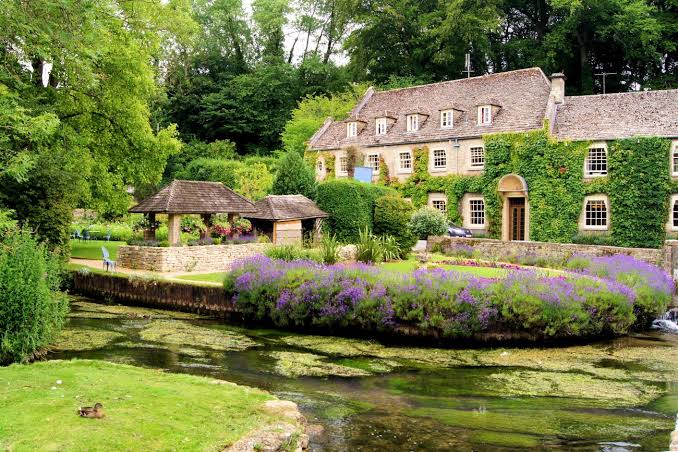
Begin early in one of the better-known villages before the busiest part of the day. Bibury is celebrated for its riverside setting and historic cottages, while Bourton-on-the-Water offers gentle river views, footbridges, shops, and cafés. Broadway has an elegant high street, and Chipping Campden is known for its long history and golden-stone architecture.
Choose two nearby villages rather than creating a checklist of five. Allow at least an hour or two for each, including time to browse an independent shop or follow a public footpath beyond the main street.
Wear shoes that can handle uneven stone, gravel, and damp grass. England’s countryside is beautiful in shifting weather, and a light waterproof layer is useful even on a promising morning.
Saturday Afternoon: A Garden and Afternoon Tea
The Cotswolds are home to celebrated gardens and arboreta. Hidcote, Kiftsgate, Sudeley Castle, and Batsford Arboretum each offer a different experience, and seasonal opening days vary. Choose one garden that fits naturally into your route instead of driving across the region. Find a beautiful spot for afternoon tea and explore the neighboring gardens..
Follow the garden with afternoon tea. A traditional service of sandwiches, scones, pastries, and pots of tea becomes especially memorable in a country-house setting. The official tourism guide maintains a current collection of afternoon tea experiences in the Cotswolds.
Make reservations for an afternoon tea in advance, particularly on weekends and during summer, and confirm dress expectations and dietary accommodations directly with the property.
Saturday Evening: The Country Pub Ritual
Book dinner at a village pub that emphasizes seasonal ingredients and local produce. The setting is part of the experience: low beams, a fireplace, a small garden, and a menu that reflects the surrounding farms.
Leave the car at your hotel if possible. A walkable dinner lets everyone relax and gives you a chance to see the village after day visitors have gone home.
Sunday: A Market Town and One Last Walk
Spend Sunday morning in a market town such as Stow-on-the-Wold or Cirencester. Browse antiques, home shops, local foods, and bookstores, then choose a café for a simple lunch.
Before leaving, take one final countryside walk. You do not need a dramatic hike. A short marked footpath through a meadow or alongside a stone wall offers the quiet, expansive feeling people come to the Cotswolds to find.
When Is the Best Time to Visit?
Late spring brings fresh green landscapes and garden flowers. Summer offers long daylight hours but is also the busiest season. Early fall can be especially beautiful, with softer light and changing foliage. Winter is quieter and atmospheric, though gardens and smaller attractions may have reduced schedules.
Whenever you travel, confirm opening hours shortly before your visit. Independent businesses and historic properties may change schedules seasonally.
Cotswolds Weekend Planning Tips
- Choose one geographic cluster and minimize long drives.
- Reserve your hotel, Saturday dinner, and afternoon tea in advance.
- Carry a light rain layer and comfortable walking shoes.
- Check parking instructions before entering small villages.
- Respect private property and remain on signed public paths.
- Leave one open block each day for an unplanned discovery.
Frequently Asked Questions
Can you visit the Cotswolds without a car?
Yes, but the itinerary requires more planning. Trains serve gateway towns, and local buses, taxis, tours, and walking routes can connect selected destinations. A car offers greater flexibility for rural hotels and gardens.
How many villages should you visit in a weekend?
Three or four well-chosen villages are plenty. Seeing fewer places at a slower pace usually creates a more enjoyable experience.
How far in advance should afternoon tea be booked?
Popular hotels and weekend seatings can fill early. Reserve as soon as your itinerary is firm and confirm current times directly with the venue.
The Beauty of Traveling Slowly
A Cotswolds weekend is not memorable because of how many villages you photograph. It is memorable because you had time to notice the garden behind an open gate, linger over tea, and walk through a landscape that has been shaped over centuries. Plan less, look longer, and let the countryside set the pace.
For more beautiful destinations, browse Marneys Tidbits’ travel guides and her post, “Discover How Travel Inspires Creativity.”
About Marney Dornan: Marney Dornan is the founder and editor-in-chief of Marneys Tidbits, a Cardiff-by-the-Sea lifestyle publication devoted to beauty, wellness, travel, home and garden inspiration, recipes, restaurants and living life beautifully. Meet Marney and her editorial team.
Last updated: August 25, 2026
Affiliate disclosure: This article contains affiliate links. If you book through one of these links, Marneys Tidbits may earn a commission at no additional cost to you.