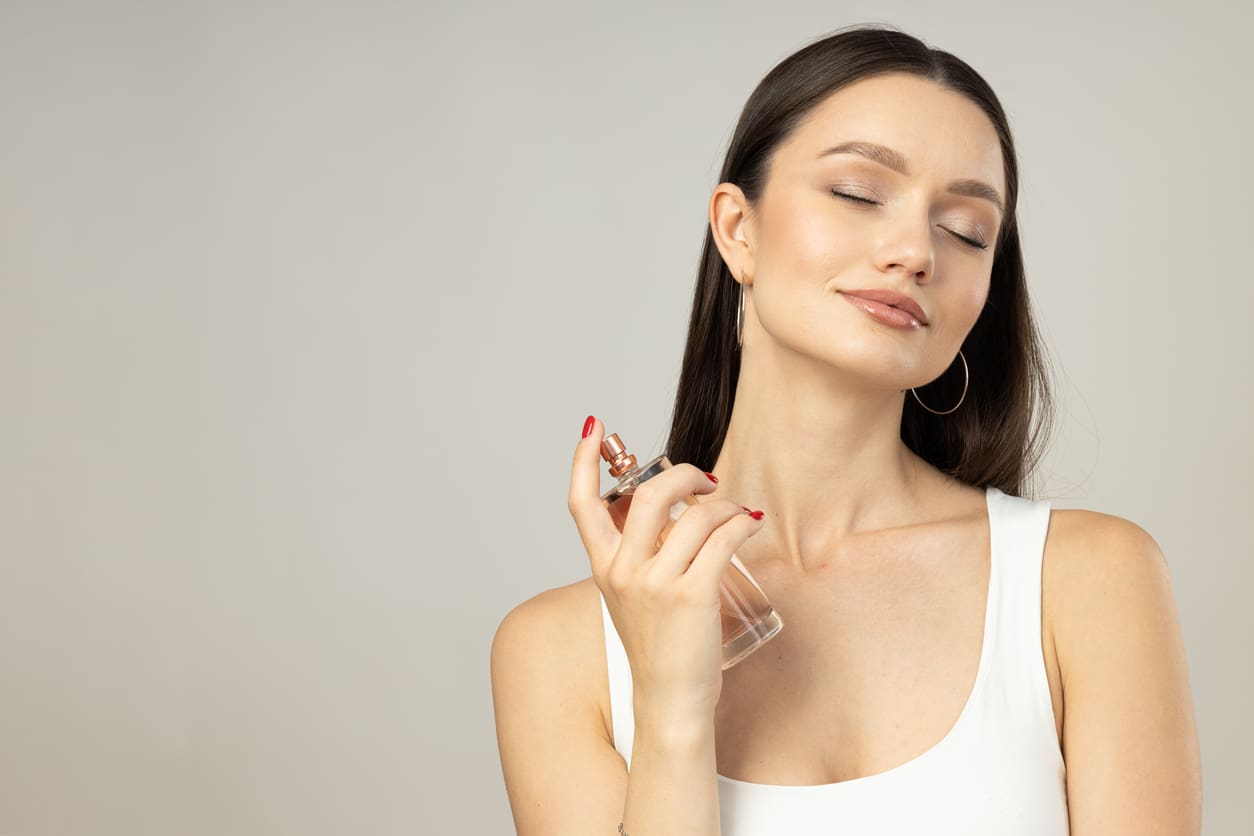

Fragrance layering is one of the simplest ways to make perfume feel more personal. Instead of relying on a single bottle to tell the whole story, you combine two complementary scents, or layer fragranced body products beneath your perfume, to create something that feels uniquely yours.
The idea may sound elaborate, but it does not require a perfume wardrobe or expert training. The most memorable combinations often begin with two familiar notes: vanilla and citrus, rose and musk, or fig and sandalwood. The secret is learning which fragrances naturally support one another and knowing when to stop.

What Is Fragrance Layering?
Fragrance layering is the practice of wearing two or more scented products together. You might apply a softly scented body lotion before perfume, pair two eau de parfums, or add a light hair mist during the day. The goal is not to make a fragrance louder. It is to give it more dimension.
Every perfume develops in stages. Bright top notes are usually the first thing you notice. Heart notes create the main personality of the fragrance, while base notes such as woods, amber, musk, and vanilla linger longest. A thoughtful pairing connects one of those shared notes or creates a pleasing contrast.
If longevity is your priority, begin with Marneys Tidbits’ guide to the perfumes that last the longest. A long-wearing base fragrance gives you a beautiful foundation for experimenting.
Begin With a Fragrance You Already Love
Your signature scent should feel like an extension of you, not a trend you are trying to force. Start by identifying the perfume you reach for most often and ask what you love about it. Is it creamy, sparkling, floral, green, clean, warm, or mysterious?
Next, look at the fragrance notes listed by the brand. You do not need to understand every ingredient. Simply notice the family the scent belongs to:
- Fresh: citrus, bergamot, aquatic notes, and crisp herbs
- Floral: rose, jasmine, peony, violet, and orange blossom
- Fruity: pear, peach, fig, cherry, and berries
- Warm: vanilla, amber, caramel, tonka bean, and spice
- Woody: sandalwood, cedar, vetiver, patchouli, and oud
- Soft and clean: musk, linen, powder, and skin-like notes
Once you know your starting family, choosing a partner becomes much easier.
Five Fragrance Pairings That Work Beautifully
Vanilla and Citrus
Vanilla becomes brighter and less dessert-like when paired with bergamot, lemon, or mandarin. The result feels warm, polished, and easy to wear from morning through evening. The best citrus perfumes include Dolce and Gabbana Light Blue, Chanel Chance Eau Fraiche, and Clinique Happy. These Vanilla scents pair well with them Dossier Ambery Vanilla, Pacifica Beauty Island Vanilla, and Boy Smells Vanilla Era.
Rose and Soft Musk
Rose can feel romantic, modern, or dramatic depending on its partner. A sheer musk softens the floral edges and creates an elegant scent. I personally love any scent with rose notes it feels so fresh and romantic. Marneys Tidbits rose and musk recommendations include Aerin Amber Musk, Jovan Musk for Women Eau De Cologne, Pacifica Beauty Persian Rose Spray Perfume, Lollia Always in Rose Eau de Parfum, Miss Dior Rose n’ Roses by Christian Dior, Perfumes Workshop Tea Rose Eau de Tea Rose.
Fig and Sandalwood
Green fig brings freshness while sandalwood adds creamy depth. Together they suggest sun-warmed gardens, natural woods, and relaxed sophistication.
Jasmine and Amber
This combination is richer and especially beautiful for evening. Jasmine supplies luminosity, while amber creates warmth and staying power. Apply lightly because both notes can be expressive.
Pear and Peony
For something fresh and feminine, pair a juicy pear fragrance with airy peony. This combination is lovely in spring and summer and works especially well when you want your perfume to feel effortless.

How to Layer Perfume Without Overdoing It
- Moisturize first. Fragrance tends to hold better on hydrated skin. Choose an unscented lotion or one that echoes a note in your perfume.
- Apply the stronger scent first. Woods, amber, vanilla, and oud usually create the base. Add the fresher or more delicate scent second.
- Use fewer sprays than usual. Begin with one spray of each fragrance and allow the combination to settle before adding more.
- Keep the scents close, but not necessarily on top of each other. Try the base scent on your wrists and the lighter scent at your neck or collarbone.
- Test on skin. Paper blotters are helpful, but body chemistry and warmth change the final effect.
Fragrance Layering Mistakes to Avoid
The most common scent layering mistake is combining two fragrances simply because each smells wonderful alone. If both are very sweet, intensely floral, or heavily spiced, they may compete. Pairing one statement fragrance with something quieter usually produces a more polished result.
Avoid testing too many combinations at once. After several perfumes, your sense of smell becomes tired and it is difficult to judge accurately. Try one pairing, wear it for several hours, and notice how it develops.
Finally, do not chase compliments at the expense of comfort. A fragrance lives close to you all day. The best signature scent is one that makes you feel calm, confident, and beautifully yourself.
Frequently Asked Questions
Can I layer perfumes from different brands?
Absolutely. Shared notes and overall balance matter more than the name on the bottle. Begin with simple fragrances and test a small amount on your skin.
How many fragrances should I layer?
Two is the easiest place to begin. Three can work, but it requires a lighter hand and a clear base, middle, and accent scent.
Which fragrance should go on first?
Apply the deeper, stronger, or longer-lasting fragrance first. Follow with the brighter or more delicate scent so it remains noticeable.
Can I layer body lotion and perfume?
Yes. In fact, a coordinating body lotion is one of the easiest introductions to fragrance layering. It can also help your perfume last longer on dry skin.
Create a Scent That Feels Like You
Fragrance layering is less about following rigid rules and more about developing your own sense of beauty. Begin with a perfume you already love, add one complementary note, and give the combination time to unfold. When the balance is right, your fragrance will feel familiar but entirely personal, the equivalent of a favorite accessory.
For more beauty, wellness, travel, home, and recipe inspiration, explore Marneys Tidbits beauty blog and continue discovering new ways to live life beautifully.
Last updated: August 15, 2026
This post contains affiliate links. If you use the link, I may earn a commission-at no extra cost to you
About Marney Dornan