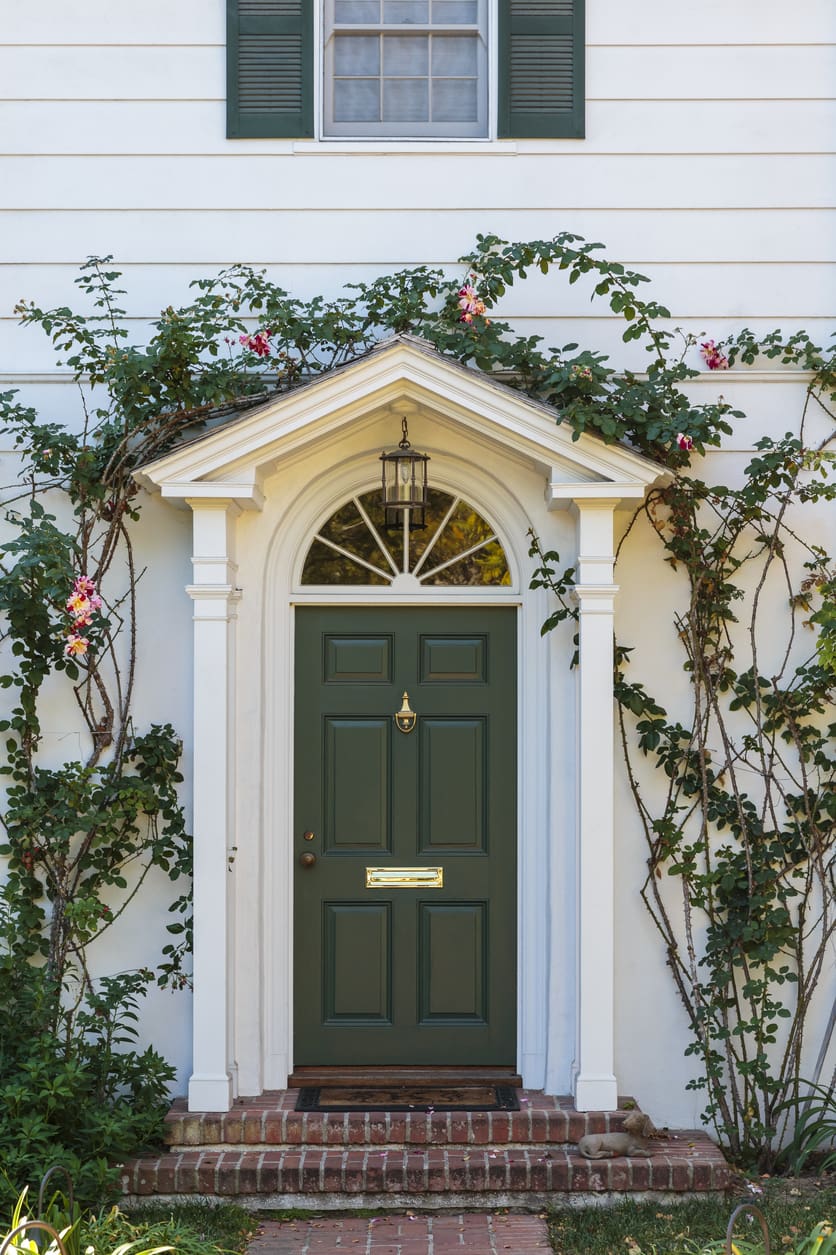

Small front yard ideas do not have to feel limited by square footage. Some of the most enchanting English gardens are intimate spaces where every path, flower, pot, and climbing vine has a purpose. With thoughtful layers and a little softness, even a compact entry can feel romantic, welcoming, and beautifully established.
The English garden look is less about perfect symmetry and more about creating a sense of discovery. A curved walkway, a rose spilling over a gate, or a cluster of fragrant herbs can make the short journey to your front door feel special. Here are nine ways to bring that timeless charm home.

Soften Things Up With A Garden Path
A garden path immediately makes a small front yard feel more generous because the entire space is not revealed at once. Natural stone, brick, pea gravel, and warm-toned pavers all suit the English garden aesthetic. If replacing a walkway is not practical, soften its edges with low-growing plants such as thyme, alyssum, or small ornamental grasses.
Choose a path material that complements your home rather than competing with it. For additional planning inspiration, explore Marneys Tidbits’ ideas for beautiful home and garden design.
Create Layers From Low to Tall
Layering is what gives a cottage garden its abundant appearance. Place low edging plants closest to the walkway, medium-height flowers behind them, and taller shrubs or climbing plants near the house or fence.
- Front layer: creeping thyme, violas, sweet alyssum, or lamb’s ear
- Middle layer: lavender, salvia, catmint, geraniums, or small roses
- Back layer: hydrangeas, foxgloves, delphiniums, hollyhocks, or evergreen shrubs
Repeat several plants throughout the yard. Repetition keeps a full garden from looking chaotic and helps the eye move naturally through the space.
Add Beautiful Climbing Plants
A climbing rose, clematis, star jasmine, or honeysuckle can transform a plain wall or entry. Use a trellis with enough space between the plant and the house for airflow, and confirm the mature size before planting.
In a very small yard, one vertical feature often delivers more impact than several large shrubs. Choose a variety suited to your climate and the amount of daily sunlight the wall receives.
Give the Front Door a Garden Frame
Gardening to enhance curb appeal treats the doorway as the focal point. Two substantial pots can frame the entrance, but they do not need to match perfectly. A pair of weathered terra-cotta containers filled with small trees, topiary, ferns, or seasonal flowers feels collected rather than overly formal.
If the porch is narrow, use one statement pot and balance it with a lantern, wall basket, or climbing plant. Leave enough clear walking space so the entry still feels comfortable.

Use an English-Inspired Color Palette
A English garden color palette makes a small garden feel peaceful. Soft pink, lavender, white, blue, and touches of buttery yellow are classic choices. Green remains the most important color, so include evergreen structure that looks attractive after seasonal flowers fade.
For a bolder cottage look, add deep burgundy foliage or a few rich magenta flowers. Use the darker colors sparingly so they act as punctuation rather than taking over the garden.
Add Fragrance Near the Walkway
Plant fragrant choices where you will naturally brush past or pause. Lavender, rosemary, thyme, gardenia, jasmine, and scented roses can turn the front walk into a sensory experience.
Edible flowers and herbs are especially lovely near the entry because they are both ornamental and useful. Marneys Tidbits’ Guide To Edible Flowers offers ideas for growing and enjoying beautiful blossoms safely.
Include a Small Moment to Pause
If space allows, add a slim bench, a single garden chair, or a small stone perch. It does not need to become a full seating area. Its purpose is to suggest that the garden is a place to notice and enjoy.
Position it beside a fragrant plant, beneath a window, or near the prettiest view back toward the house. In the smallest yard, a decorative stool topped with a planted pot can create the same visual invitation. For Marney’s Amazon, “Curb Appeal Finds” Click Here.
Choose One Quiet Focal Point
A birdbath, vintage urn, small obelisk, stone sphere, or wall fountain gives the garden a center. Keep the scale appropriate to the yard and resist adding several competing ornaments.
The best focal point often looks as though it has always belonged there. Materials that weather naturally, stone, iron, copper, and terra cotta, gain character over time.
Finish With Warm, Low Lighting
Garden lighting should make the entry safer without flattening its atmosphere. Use warm path lights at changes in level, a soft fixture near the door, and one subtle up light for a beautiful tree or climbing rose. Avoid lining the walkway with too many identical lights.
Small Front Yard Questions
How can I make a small front yard look bigger?
Use a gently curving path, keep the center visually open, layer plants from low to tall, and repeat colors instead of introducing too many unrelated varieties.
What plants create an English garden look?
Roses, lavender, foxgloves, hydrangeas, catmint, geraniums, clematis, herbs, and soft ground covers all contribute to the look. Always choose plants suited to your local climate.
Does an English garden require constant maintenance?
It can be simplified. Use evergreen structure, repeat reliable perennials, add drip irrigation, and reserve high-maintenance flowers for a few visible places near the path and door.

A Welcoming Garden Begins With One Thoughtful Detail
You do not need a large lawn or a complete renovation to create English garden charm. Begin with the part of the entry you see every day. Add a fragrant plant, soften one edge, or place a beautiful pot beside the door. Those small choices build character—and make coming home feel a little more special.
About the Author: Marney Dornan has been researching, planning, and writing about home & garden design for years. Be sure to follow Marneys Tidbits on Insta, Pinterest, Substack and YouTube for more fun tidbits.
Last updated: August 25, 2026
This post contains affiliate links. If you use the link, I may earn a commission-at no extra cost to you
About Marney Dornan