
Reducing inflammation is key to improving your overall health and preventing chronic diseases. By adopting a anti-inflammatory diet, exercising regularly, managing stress, and improving your gut health, you can take control of your health and well-being. Marneys Tidbits published this article to provide easy keys and tips on how to get rid of inflammation.
Reduce Inflammation Today
Staying hydrated, getting quality sleep, and taking certain supplements can further support your bodies natural inflammatory responses.
As we know, inflammation is a huge buzzword these days, but do you really know what it is and how to effectively reduce it?
Inflammation is our body’s natural response to injury, infection, or harmful stimuli, such as stress and unhealthy eating. While acute inflammation is beneficial for healing, chronic inflammation can lead to serious health issues such as heart disease, diabetes, arthritis, and autoimmune disorders and flat out, just make you feel bad. Read on for the 7 most beneficial ways to reduce inflammation fast.
7 Ways To Reduce Inflammation
Fortunately for us, there are effective lifestyle changes we can do to help manage and reduce chronic inflammation providing us with a happier and healthier life. Here are seven of the best ways we can reduce inflammation naturally.
How to Adopt An Anti-Inflammatory Diet To Reduce Inflammation
One of the most effective ways to reduce inflammation is by following an anti-inflammatory diet rich in whole, nutrient-dense foods.
Foods You Should Eat To Fight Inflammation
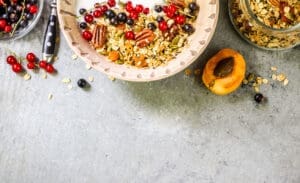
Eat Your Fruits And Vegetables: All Berries, including fresh strawberrries, leafy greens, beets, cherries, and cruciferous vegetables are high in antioxidants, betalains, and polyphenols that help combat inflammation.
Eat Healthy Fats: Foods rich in omega-3 fatty acids, such as salmon, walnuts, and flaxseeds, help regulate our inflammatory responses.
Add Whole Grains Into Your Diet: Brown rice, quinoa, and oats provide fiber, which supports our gut health and reduces inflammation.
Use These Herbs And Spices To Fight Inflammation:
Turmeric (Curcumin): Is known for its potent anti-inflammatory properties. A meta-analysis published in the Journal of Clinical Nutrition found that curcumin supplementation significantly reduces inflammation in people with arthritis and metabolic disorders.
Ginger: Helps lower oxidative stress and inflammatory responses.
Garlic Eating garlic promotes health. Garlic contains natural anti-inflammatory compounds like allicin.
Foods You Should Avoid To Combat Inflammation
Processed foods, refined sugars, and trans fats increase inflammation and should be limited.
Excessive alcohol and high-sodium foods may trigger inflammatory pathways.
A good example of an amazing anti-inflammatory diet is the Mediterranean diet. A study published by the National Institutes of Health found that a Mediterranean diet rich in omega-3s and antioxidants significantly reduces inflammatory markers in individuals with chronic diseases.

Exercise Regularly To Reduce Inflammation
Physical activity plays a crucial role in reducing inflammation and in promoting overall health. Exercise reduces inflammation by promoting circulation, boosting immune function, and helping with cellular repair. According to research published in the Journal of Applied Physiology, regular moderate exercise reduces chronic inflammation by increasing the production of anti-inflammatory cytokines in our bodies.
Best Types Of Exercise To Reduce Inflammation:
Do Aerobic Exercise: Walking, cycling, and swimming help reduce inflammatory markers like C-reactive protein.
Strength Training: Resistance exercises improve metabolic health and reduces inflammation.
Pilates & Stretching: Mind-body exercises like Pilates lower our cortisol (stress hormone) levels, which helps to regulate inflammation. Check out my fav cortisol lowering drink here.
Get Quality Sleep To Reduce Inflammation
Poor sleep is linked to higher levels of inflammatory markers such as interleukin-6 (IL-6) and C-reactive protein, which contribute to chronic disease. A study from the National Sleep Foundation highlights how sleep deprivation increases inflammation and disrupts immune function.
Tips For Better Sleep:
Maintain a consistent sleep schedule, get 7 to 9 hours of sleep per night.
Reduce blue light exposure 2 hours before bed.
Create a relaxing bedtime routine: such as taking a relaxing bath, playing soft music, diffusing lavender, and reading.
Avoid heavy meals and caffeine a few hours before going to sleep.
Consider This Powerful Natural Supplement
Certain anti-inflammatory supplements can help manage and lower chronic inflammation when combined with a healthy lifestyle.
Our Top Anti-Inflammatory Supplement:
Betalains: Betalains reduce inflammation fast. Research shows that betalains are crucial in protecting against oxidative stress, reducing biomarkers of inflammation, and contributing to cardiovascular health. However, many don’t realize that beets, the primary source of betalains, also contain high amounts of proinflammatory sugars and are high in oxalates. That’s where Alovea’s patented Betalain supplement called LIMITLESS comes in.
Alovea’s patented extraction method removes 100% of the proinflammatory sugars and oxalates while preserving the potent betalains. Just one Limitless pill can make a remarkable difference:
Betalains reduce biomarkers of inflammation by 47%.
Betalains improve feelings of energy by over 120%.
Betalains detoxify the liver and supports happy hormones.
Betalains fight fatigue and supports mental alertness.
Betalains Promote joint comfort and flexibility
Betalains support athletic recovery and performance
Betalains fight free radicals and promotes healthy aging
In essence, LIMITLESS Betalain supplement is a holistic solution for enhancing your overall well-being. It’s unique blend of anti-inflammatory ingredients, including beet betalains and Acemannan make it a powerful ally in your journey toward optimal health and vitality.
Reducing inflammation is key to improving overall health and preventing chronic diseases. By adopting an anti-inflammatory diet, exercising regularly, managing stress, and improving gut health, individuals can take control of their well-being. Incorporating hydration, quality sleep, and supplements further supports a healthy inflammatory response.
For best results, consult with a healthcare professional before making major dietary or lifestyle changes. By taking a holistic approach, you can enjoy long-term health benefits and reduced inflammation.

Stay Hydrated To Reduce Inflammation
Proper hydration is essential for flushing out toxins and maintaining cellular function, both of which reduce inflammation. According to a study published in the Journal of Human Nutrition and Dietetics, proper hydration reduces systemic inflammation and supports metabolic health.
Hydration Tips:
Make sure to drink plenty of water: drink at least 8-10 cups of water daily more if you exercise, it’s extra hot outside, or you enjoy the health benefits of a sauna. You can even add one of the many electrolyte powders or packets on the market today or a pinch of high quality salt like Himalayan pink salt or sea salt to add further hydration.
Enjoy coconut water, cactus water or an organic sports beverage.
Limit processed sugary drinks and excessive caffeine, which can contribute to inflammation and dehydration.
Support Gut Health To Reduce Inflammation
The gut microbiome plays a significant role in inflammation. An imbalance in gut bacteria can lead to leaky gut syndrome, which increases systemic inflammation. A study from Harvard Medical School found that a diverse gut microbiome reduces inflammation and supports immune health.
Ways You Can Improve Your Gut Health:
Enjoy green tea throughout the day which is full of potent antioxidants, green tea can help reduce inflammation. According to a study published in 2022, consuming five cups of green tea can help reduce inflammation found in the gut.
Consume Probiotic-Rich Foods: Yogurt, kefir, kimchi, and sauerkraut promote beneficial gut bacteria.
Eat Fiber-Rich Foods: Legumes, fruits, and whole grains feed healthy gut bacteria.
Limit Artificial Sweeteners and Processed Foods: These disrupt gut flora balance.
Take CORE: ALOVEA CORE’S Advanced Gut Health Complex* is formulated to support the body in restoring and maintaining optimal gut health.
Gut leakage is a major cause of persistent inflammation, which is considered the root cause of a wide variety of chronic and infectious conditions.

Manage Stress Effectively To Reduce Inflammation
Chronic stress activates the body’s fight-or-flight response, leading to prolonged inflammation. Research from the American Psychological Association shows that mindfulness-based stress reduction techniques reduce inflammation in individuals with stress-related disorders.
Effective Stress Management Techniques Include:
Prayer & Deep Breathing: Prayer and deep breathing lowers our cortisol levels and reduces stress-related inflammation.
Taking Our Thoughts Captive: Focusing on positive, uplifting thoughts helps our brain regulate emotions and our inflammatory responses.
Sipping On A Stress Reducing Drink: There are many delicious stress reducing drinks on the market today, most contain ingredients such as Ashwagandha, and L-theanine. Here is my fav calming sip, because it helps alleviate my stress and helps lower my cortisol levels, without making me tired.
Spending Time In Nature: Green spaces, gardens, the sound of a fountain and birds chirping, promote relaxation and lower inflammatory markers. See Marneys Tidbits Article, “10 Reasons Why Nature Inspires Us,” for more on this topic.
For best results, consult with a healthcare professional before making major dietary or lifestyle changes. By taking a holistic approach, you can enjoy long-term health benefits and reduced inflammation.
FAQ’s On How To Reduce Inflammation
How to reduce redness and inflammation on face?
To reduce facial redness and inflammation, use gentle, fragrance-free skincare products with soothing ingredients like aloe vera, green tea, niacinamide, or calendula. Avoid hot water, harsh exfoliants, and known irritants. Applying a cold compress and using anti-inflammatory creams can help calm flare-ups. If redness persists, consult a dermatologist to rule out underlying conditions like rosacea or dermatitis for targeted treatment
Does juicing help to reduce inflammation?
Yes, juicing can help reduce inflammation, especially when it includes fruits and vegetables rich in antioxidants and anti-inflammatory compounds. Ingredients like turmeric, ginger, leafy greens, beets, and berries may help lower inflammation markers in the body. However, juicing should complement a balanced diet rather than replace whole foods entirely. Avoid juices high in sugar, which can counteract anti-inflammatory benefits.
Does swimming reduce inflammation?
Swimming can help reduce inflammation by promoting circulation, relieving joint pressure, and reducing muscle stiffness. The low-impact nature of water-based exercise is especially beneficial for individuals with arthritis or chronic pain. Cold-water swimming or hydrotherapy may offer additional anti-inflammatory effects. Always consult your doctor before beginning a new exercise routine if you have existing inflammatory conditions.
Should I juice to reduce inflammation?
Juicing can be a helpful way to boost anti-inflammatory nutrients rapidly, especially when packed with leafy greens, berries, turmeric/spice, and healthy fats like flax or chia seeds. However, it shouldn’t replace whole foods entirely—fiber, chewing, and balanced meals also support inflammation reduction. Ideally you’d use juicing in addition to a diet rich in whole vegetables, legumes, fatty fish, and nuts. Be sure your juices aren’t overloaded with sugar, and pair them with protein or healthy fat for stability.
What foods reduce foot inflammation?
To reduce foot inflammation, aim for foods with omega-3s, antioxidants, and anti-inflammatory compounds. Think fatty fish (like salmon or sardines), chia or flax seeds, walnuts, and plenty of colorful vegetables—especially deep greens, bell peppers, and cruciferous veggies. Berries and cherries bring anthocyanins that help reduce joint and soft-tissue swelling. Avoiding excessive processed carbs and sugar helps too. Together, this whole-food pattern supports circulation, tissue repair, and lessens inflammatory discomfort in the feet.
How to reduce inflammation after surgery?
After surgery, inflammation is part of healing—but you can support balanced recovery via targeted nutrition and lifestyle. Focus on lean protein (for tissue repair), zinc and vitamin C (for connective-tissue healing), and anti-inflammatory fats like omega-3-rich fish or flax. Stay properly hydrated, gentle movement (as approved by your doctor), and restful sleep all matter. Also rely on foods like turmeric, ginger, leafy greens and berries. Monitor for excessive swelling, redness or pain that may indicate infection and consult your surgeon.
How to reduce scalp inflammation?
Scalp inflammation often shows as redness, flaking, itchiness or irritation. Support soothing via topical care and diet. Use gentle, fragrance-free shampoos and soothing botanicals (like aloe, chamomile or tea tree). Internally, emphasize foods with omega-3s, antioxidants, and whole-food nutrients—salmon, walnuts, leafy greens, berries. Avoid excessive sugar, processed foods and allergens (dairy/gluten if you’re sensitive). Hydration and stress-management support scalp health too, as chronic stress can amplify inflammation. If the issue persists, see a dermatologist.
How to reduce hip inflammation?
Hip inflammation—whether in muscles, bursae, or joint tissues—can be eased via anti-inflammatory lifestyle plus targeted nutrition. Prioritize omega-3 rich foods (fatty fish, flax, chia), plenty of colorful vegetables, whole grains and nuts. Maintain a healthy weight to reduce load on the hip joint. Use low-impact movement (walking, swimming) and stretching to support circulation and mobility. Avoid prolonged sitting, treat flare-ups with ice, rest, and gentle exercise, and ensure your sleep and stress-levels are optimized, since hormone imbalances elevate inflammatory cytokines.
What are the fastest ways to reduce brain inflammation?
Brain inflammation (neuro-inflammation) responds best to a combination of diet, lifestyle and targeted nutrients. Eat plenty of fatty fish (omega-3 DHA/EPA), colorful vegetables, berries rich in flavonoids, turmeric/curcumin, and plenty of leafy greens. Ensure good sleep, manage stress (meditation or breathing), avoid excessive sugar and processed seed oils. Movement stimulates brain-healthy circulation. Given current research, supplements like high-quality omega-3s, curcumin, even aloe vera-based gut/brain modulators like Alovéa “Immūn™” can support the gut-brain axis and inflammation control.
Do peptides reduce inflammation?
Certain peptides—short chains of amino acids—are being investigated for anti-inflammatory and regenerative effects (in tissues, skin, muscle). While some specialized therapeutic peptides may help modulate inflammation, the consumer-supplement market is still emerging and results vary. It’s more effective to rely on proven lifestyle/nutrient interventions first, and if considering peptides, consult a healthcare professional. Make sure quality, dosage, and safety are clearly understood, since regulatory oversight may be less robust than for conventional nutrients.
How to reduce inflammation in skin?
When skin inflammation occurs, a smart skincare brand such as RIMAN can help. Their formulations use botanical actives like Centella Asiatica (“Giant Byoungpool” leaf), peptides and soothing ingredients to calm redness, support barrier repair and reduce irritation. KBeauty-USA.com+1 In addition to topical care, eat anti-inflammatory foods (berries, fatty fish, leafy greens), avoid known allergens/irritants, protect skin from UV and pollution, and ensure adequate sleep and stress-management—all of which reduce internal triggers for skin inflammation.
Supplements to reduce brain inflammation?
Yes—supplements can play a supportive role in reducing brain inflammation. Consider high-quality omega-3s (EPA/DHA), curcumin formulations with enhanced bioavailability, probiotics/prebiotics to support gut-brain signaling, and adaptogens like ashwagandha in some cases. One specific option is the Alovéa “Immūn™” supplement, which uses a proprietary aloe vera extract to support immune-modulation and gut health — both relevant to brain-immune-inflammation pathways. Alovéa+1 Always consult a healthcare professional before starting new supplements, particularly for brain health.
Does stem cell therapy reduce inflammation?
Stem cell therapy shows promise in reducing inflammation, especially in regenerative medicine and autoimmune research. Stem cells can modulate immune responses and promote tissue repair, making them useful in conditions like arthritis, inflammatory bowel disease, and certain neurodegenerative disorders. While research is ongoing, some clinical trials report reduced inflammation and improved healing. Always consult a licensed medical professional before considering stem cell treatments.
Marneys Tidbits publishes helpful and insightful articles about wellness, beauty, gardening, home design, recipes, restaurants, and travel. Follow us on Pinterest, Instagram, TikTok and Facebook for even more tidbits!