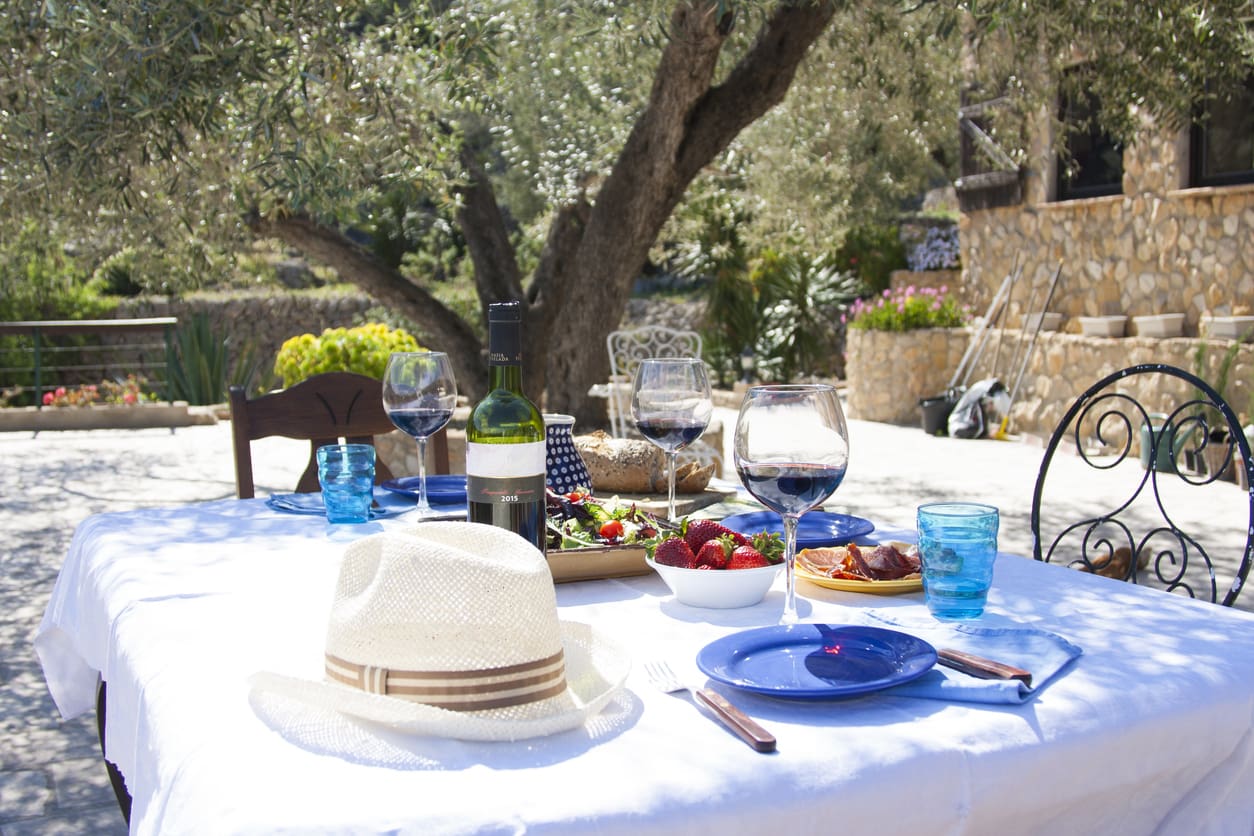
A garden wellness zone is exactly what it sounds like: a corner of your outdoor space designed for restoring you, not impressing the neighbors. It is the defining garden idea of 2026, and the wonderful news is that you do not need acreage or a landscape architect to create one. In this guide I am walking you through my favorite garden wellness zone ideas for 2026, from layered lighting and wilder planting to a pergola “outdoor room” you will never want to leave.

What Is a Garden Wellness Zone, and Why Is Everyone Creating One in 2026?
For years we treated backyards like outdoor kitchens with a lawn attached. In 2026, the emphasis has flipped from entertaining to restoring. A garden wellness zone is a dedicated pocket of your yard, sometimes the whole yard, that supports rest: a place to stretch, soak, read, breathe, or simply watch the bees do their thing.
The experts at Livingetc put wellness gardens at the top of their 2026 trend list, with designers reporting requests for outdoor showers, plunge tubs, saunas, and meditation corners in gardens of every size. And this year’s RHS Chelsea Flower Show leaned hard into the same idea, with sensory design, offline “unplugged” zones, and gardens that blur the line between indoors and out.
I have been slowly converting a corner of my own garden into a wellness zone for the past year, and I can tell you the effect is real. It is the difference between owning a yard and actually using one.
Which 2026 Garden Trends Shape a Wellness Zone?
Wilder, naturalistic planting
The clipped, controlled garden is giving way to meadowy, naturalistic planting: looser borders, native grasses, and flowers chosen for pollinators as much as for people. Letting a strip of lawn grow long or planting a pollinator corridor along a fence adds movement, birdsong, and life, and it is less maintenance, not more. There is something deeply calming about a garden that is allowed to be a little wild.
Lighting for atmosphere, not brightness
The 2026 rule for outdoor lighting is “atmosphere, not brightness.” Skip the floodlights. Instead, layer three soft sources: low path lights, a warm glow at seating height like a lantern or portable lamp, and a few uplights grazing a tree or textured wall. Warm bulbs only, around 2700K. The garden should feel like candlelight, not a stadium.
The pergola outdoor room
Pergolas are having a genuine moment because they solve the one thing SoCal gardens have too much of: sun. A pergola turns a patch of patio into a true outdoor room, somewhere to hang a fan, string lights, even outdoor curtains. Add a rug and a deep seat and you have built the most-used room of your summer house without pouring a single new foundation.
Water, the original wellness feature
From a simple bubbling urn fountain to a stock-tank plunge, moving water is the fastest shortcut to a calmer garden. The sound masks street noise, draws birds, and gives the space a heartbeat.

7 Garden Wellness Zones to Create This Summer
1. The morning ritual corner
Face it east if you can. A small bistro table, one comfortable chair, and a tray for your matcha or coffee. The only rule: no phone lives here. Ten quiet minutes outside before the day starts is the cheapest wellness upgrade I know.
2. The outdoor shower or rinse station
Designers say this is the single most requested wellness feature, and it needs less space than you think, roughly a three-foot square against an exterior wall with a privacy screen of star jasmine. Even a beautifully done cold-rinse station after gardening or beach days feels like a resort amenity.
3. The plunge and soak zone
Cold plunges have officially migrated from spas to side yards. A stock tank or purpose-built plunge tucked near the house, screened with bamboo or a slatted panel, gives you the full contrast-therapy experience at home. If you are new to cold water, I wrote about how to ease in safely in my guide to how often you should cold plunge.
4. The meditation and movement deck
A level six-by-eight platform, a boulder or two, and soft planting at the edges is all a yoga or meditation deck requires. Surround it with scented plants, lavender, salvia, rosemary, so every breath is aromatherapy. This is sensory design at its simplest.
5. The pollinator corridor
Dedicate a border, even a narrow one, to natives and pollinator favorites and let it get a little unruly. Watching a border hum with bees and butterflies is genuinely meditative, and you will be supporting the local ecosystem while you sip your iced tea. If you enjoy this, you will love my tips on decorating with plants for carrying the green indoors too.
6. The pergola dining and lounge room
The social heart of the wellness garden. Anchor it with hardscape that will last, decomposed granite, pavers, or a small deck, and plant generously around the edges so the structure melts into the garden. Good hardscape is an investment that pays you back; I broke down the numbers in my post on hardscape projects that raise your home’s value.
7. The evening wind-down nook
A hammock or swing chair, positioned to catch the sunset, plus one warm light source. This zone has one job: to get you off the sofa and under the sky for the last hour of the day. Research on nature exposure keeps telling us the same thing, time outside lowers stress hormones, and the wind-down nook makes it effortless.
Can You Create a Wellness Zone in a Small Space or on a Budget?
Absolutely, and honestly, small gardens often make better wellness gardens because they force focus. A balcony version might be one comfortable chair, three pots of scented herbs, a plug-in fountain, and a battery lantern. A narrow side yard becomes a meditation walk with stepping stones and star jasmine on wires. Total investment: a weekend and a couple hundred dollars.
My budget priority list, in order: one genuinely comfortable seat, warm lighting, scent, then sound. Skip the pizza oven until next year. The point of this space is how it makes you feel, which is the same philosophy behind my post on decor and your wellbeing, just moved outdoors.

Your First Wellness Zone: A One-Weekend Plan
If the seven zones feel like a lot, here is exactly how I would build the first one in a single weekend, using the morning ritual corner as the example because it delivers the most joy per dollar.
Saturday morning: choose and clear
Walk the garden with your coffee and notice where the light lands between 7 and 9 a.m. That is your spot. Clear it completely, rake, weed, hose down the hardscape, and resist the urge to fill it back up. A wellness zone starts with breathing room. If the ground is bare dirt, a two-inch layer of decomposed granite over landscape fabric gives you a clean, permeable floor for under a hundred dollars.
Saturday afternoon: seat, surface, shade
Place your chair first and sit in it before you commit, five minutes, eyes closed. Adjust until the view and the light feel right, then add a small side table and, if the sun is strong, a market umbrella or shade sail. Comfort is non-negotiable: if the seat is not somewhere you would happily read for an hour, keep hunting.
Sunday morning: plant the senses
Three pots minimum: one scented (lavender or rosemary), one textural (a grass that moves in the breeze), one seasonal bloomer for the pollinators. Cluster them at different heights near the seat so the garden feels layered even if it is three containers on a slab.
Sunday evening: light it and christen it
Add one warm light source, a rechargeable lantern is perfect, then make your evening drink and use the space that same night. Do not wait for it to be finished. Wellness zones are like sourdough starters: they only come alive with regular use.
Total damage: one weekend, one comfortable chair, three pots, one lantern. Every zone on my list scales up from this same skeleton, seat, senses, soft light, so once you have built one, the rest is repetition.
Garden Wellness Zone FAQs
What should every wellness zone have?
Three things: a comfortable place to sit or lie down, something for the senses (scent, water sound, or birdsong), and soft evening light. Everything else is a bonus.
How do I make it feel private?
Layered screening beats a solid wall: a slatted panel, then a fast climber like jasmine, then a tree or tall grasses in front. You want enclosure without the fortress feeling.
What plants are best for a sensory garden in Southern California?
Lavender, salvia, rosemary, California lilac, and native milkweed for the monarchs. All are drought-tolerant, fragrant, pollinator-friendly, and nearly impossible to kill once established.
Bringing Your Sanctuary to Life
Start with one zone, the one you will actually use at your natural rhythm: morning person, build the coffee corner; night owl, build the wind-down nook. Give it one season, and I promise the rest of the garden will follow. 2026 is the year our gardens stopped performing and started taking care of us, and I am so here for it.
About the Author: Marney has been researching, testing, and writing about gardens, outdoor living, and wellness design for many years and uses the ideas and products she recommends in her own Southern California life.
Last updated: August 25, 2026